
GM Fintech Futurists,
Today, we highlight the below items:
DIGITAL ASSETS: Circle Bought Reach, Chime Bought a Charter
ANALYSIS: Fintech evolved into Hyperbanks and Neobranches
CURATED UPDATES: Financial Institutions and Adoption; DeFi and Digital Assets; Prediction Markets; Blockchain Protocols; NFTs, DAOs and the Metaverse
To support this writing and access our full archive of newsletters, analyses, and guides to building in Fintech & DeFi, subscribe below (if you haven’t yet).
🤖🏦🧭 Our Ecosystem:
Generative Ventures | AI Research | Robot Money | Linkedin & Twitter | Sponsors
🚀 Lex is actively meeting teams building machine-native financial companies. If that’s you, reach out here.
🦄 In partnership with InterPrivate, we launched a $200MM SPAC looking for targets in fintech, digital assets, and AI infrastructure. If you are a late-stage founder or have an idea to discuss, reply directly to this email.
FINTECH: Circle Bought Reach, Chime Bought a Charter
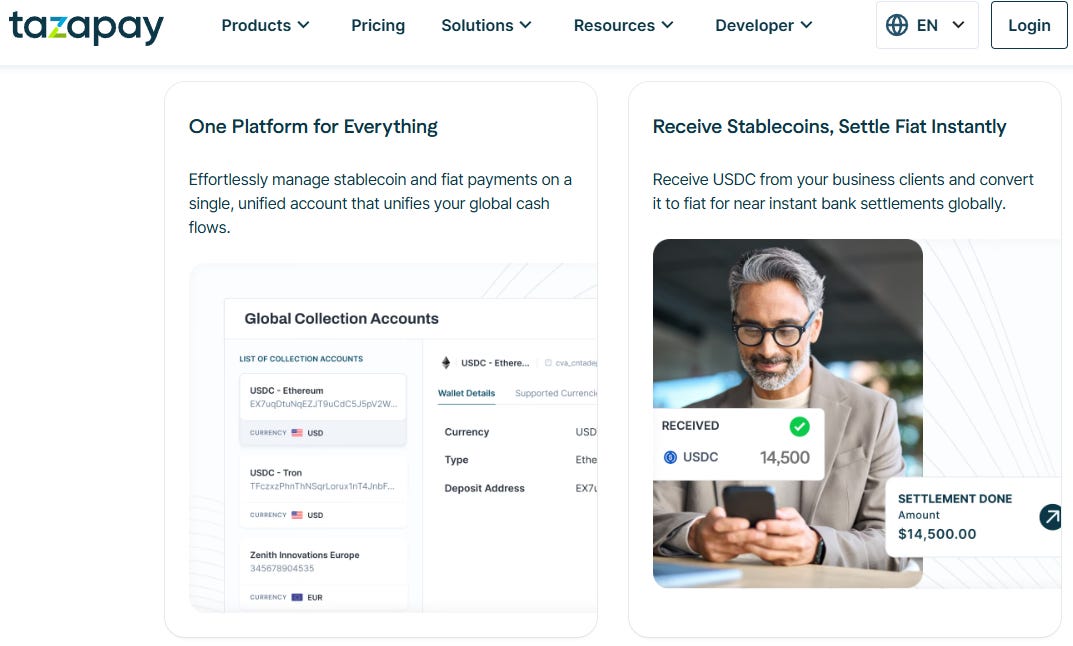
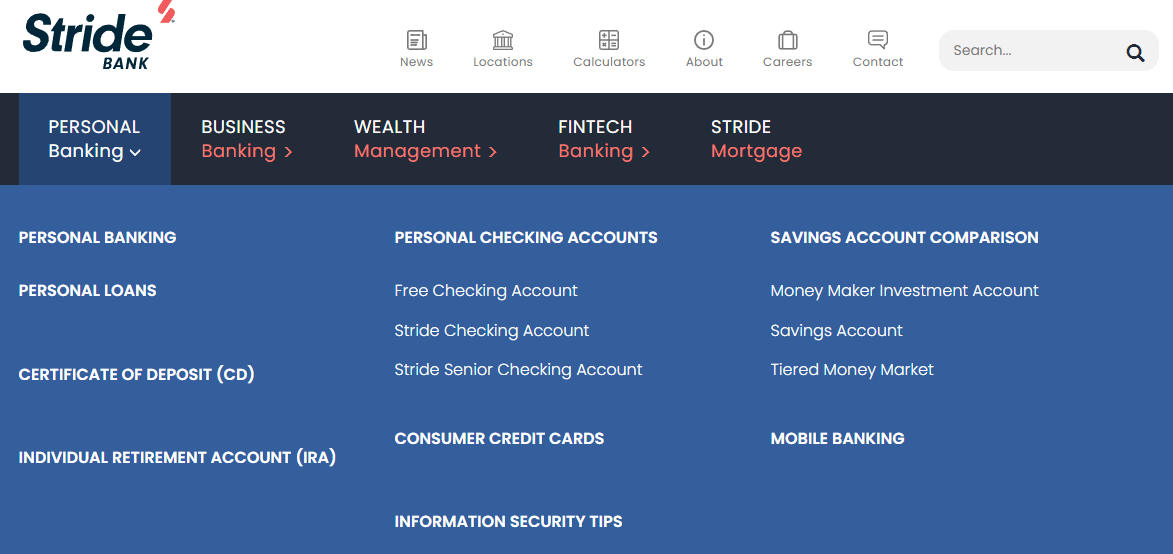
On September 4, Circle signed a definitive agreement to acquire Tazapay, a Singapore-based cross-border payments company, for approximately $400MM. Around the same time, Chime announced it would pay $590MM in cash for Stride Bank, the nationally chartered institution that has issued its accounts for more than seven years.
Circle manufactures dollars and has bought distribution.
Chime distributes accounts and has bought its manufacturer.
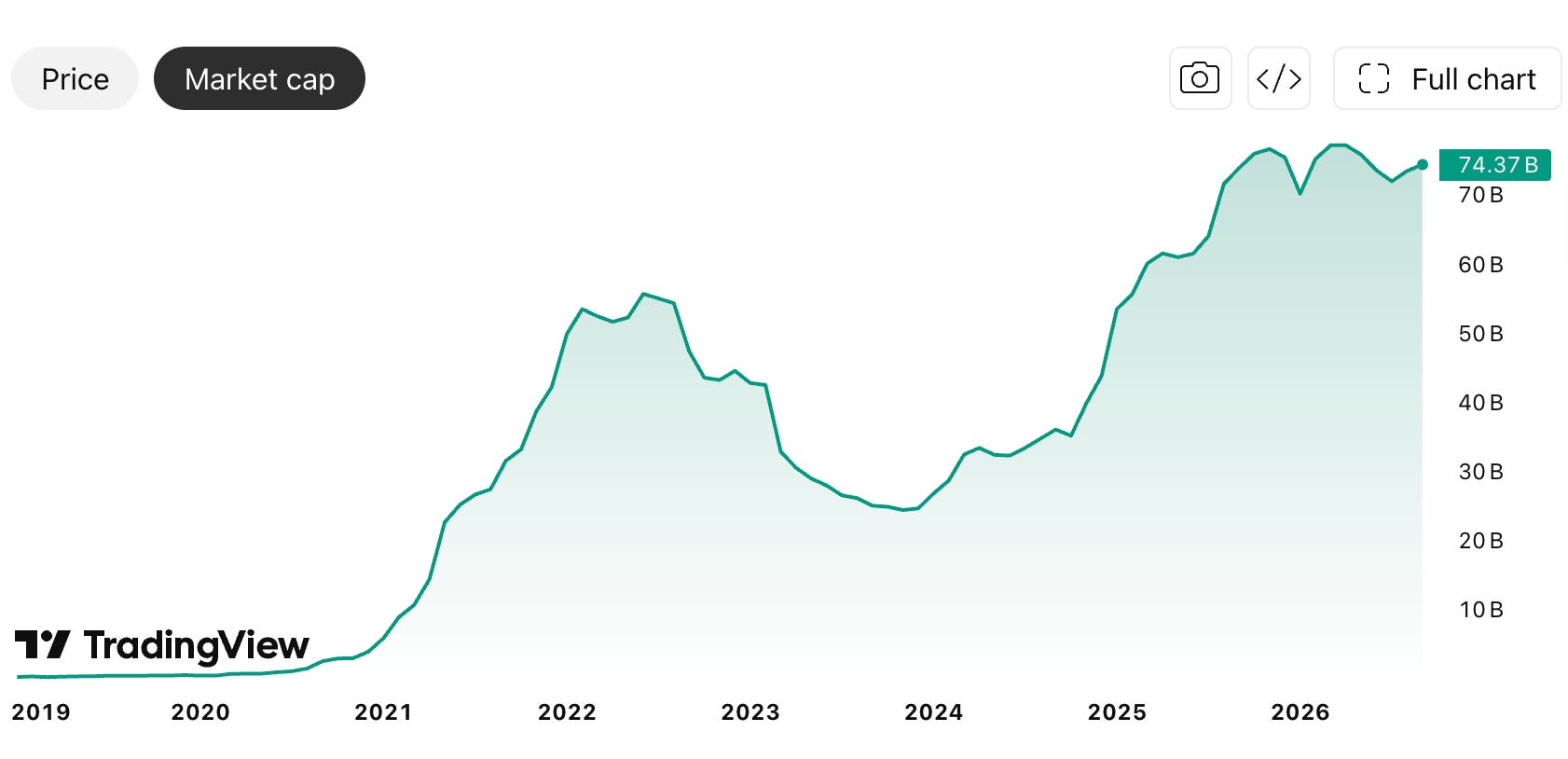
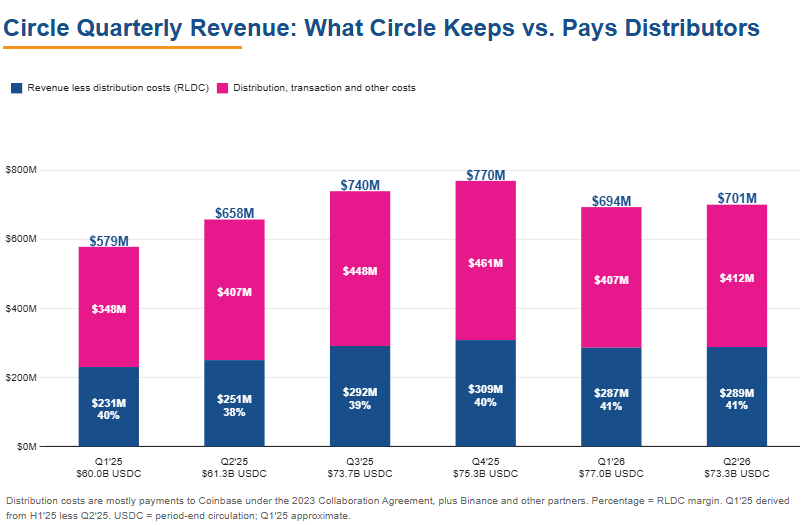
Circle’s USDC in circulation reached $77B at the end of Q1 2026, up 28%, on total revenue and reserve income of $694MM.
But Circle has not built out direct distribution of its stablecoin into commerce and remittance. A digital dollar can move in seconds, but then gets stuck at the local banking offramp. You need to assemble it market by market, or you buy someone licensed who already has.
Chime has the opposite problem.
It ended Q2 2026 with 10.4 million Active Members, close to $40B of debit volume a quarter and around $2.8B of full-year revenue. Distribution is not the constraint — the harder part is finding the regulated wrapper for its banking service. Every account Chime opens is manufactured by a third-party bank. Chime CEO Chris Britt had already said — the company hasn’t been able to move as fast as it would like on product launches, and owning Stride gives it complete control over its destiny.
Circle & Tazapay
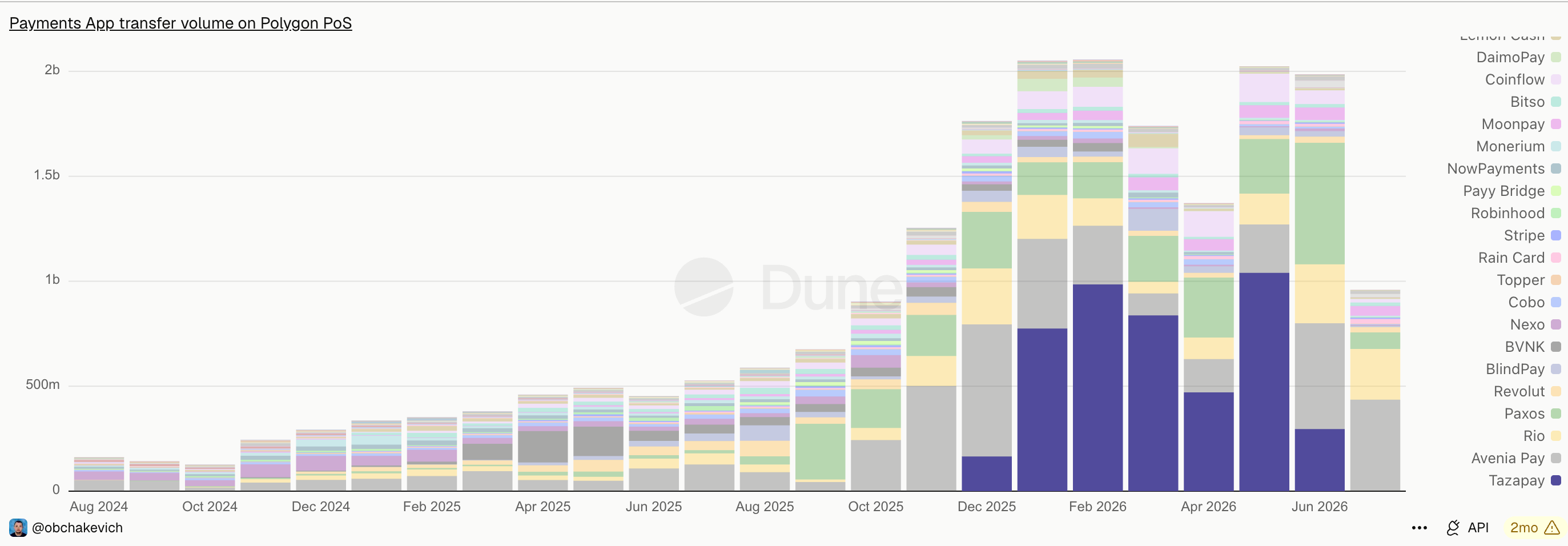
As of July 31, 2026, Tazapay had over $25B in annualized payment volume, over 60 banking and fintech partners, and local payout capability across 100+ markets. Growth has been fast, with the company reporting over $10B of annualized volume in August 2025, roughly a 2.5x in under a year, on top of revenue that has doubled three years running.
Approximately 60% of Tazapay’s transaction volume already involved stablecoins before the deal. Tazapay helped design Circle Payments Network since 2025, and Circle Ventures led the company’s $36M Series B extension in March. Circle has bought a design partner and a portfolio company, which usually means diligence was being conducted in real time.
You can see the volumes in the chart below.
Closing is expected in 2027, conditioned on Monetary Authority of Singapore approval and at least 75% of identified key employees remaining through the close.
Is $400MM expensive?
It is the largest acquisition since Poloniex in 2018, ahead of $100MM for Hashnote in 2025 and the $210MM paid to Coinbase for the remaining half of the Centre Consortium in 2023. Based on $25B+ of annualized volume, Circle is paying roughly 1.6 cents for each dollar of annual flow in equity. At $20MM of ARR, roughly, this is a material 20x multiple but a cheap share of Circle’s total enterprise value.
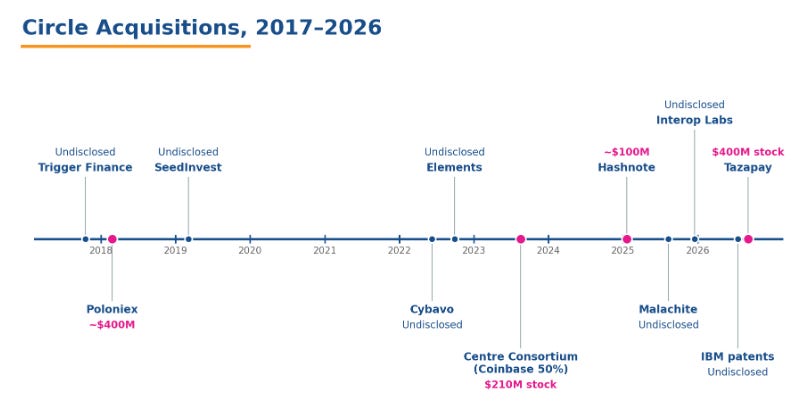
While we like the vertical integration, the market reaction was muted: CRCL fell 5.8% on the day to close at $96.18.
Chime and Stride
Chime’s arithmetic is more conservative.
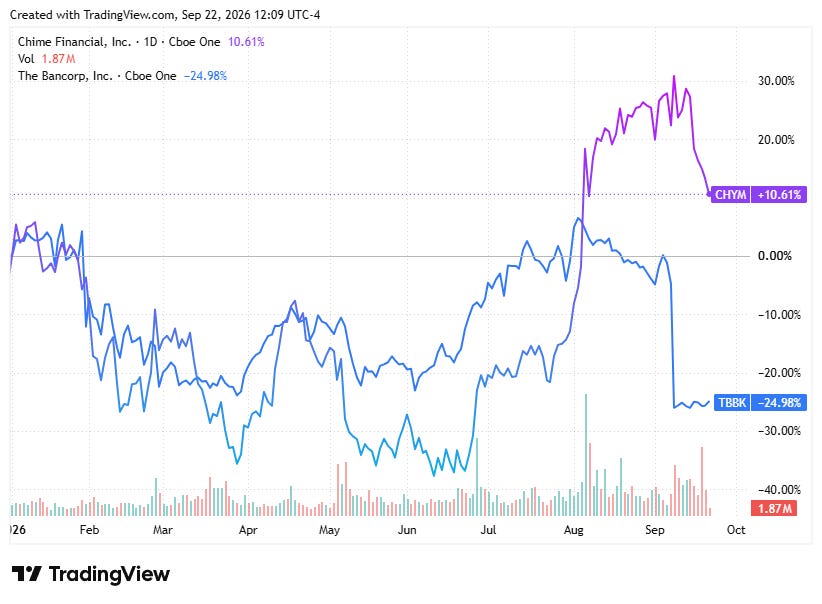
Stride Bank, renamed Chime Bank on closing, is being bought for $590MM in cash at approximately 1.5x tangible book, funded from existing balance sheet cash with no additional capital raised. Chime expects more than $100MM in net synergies from eliminating sponsor-bank fees, lowering cost of funds and expanding lending, and says the deal is accretive to EPS immediately on close, which is guided to the first half of 2027. The shares rose nearly 10% in extended trading; Bancorp, Chime’s other sponsor, fell 11.5%.
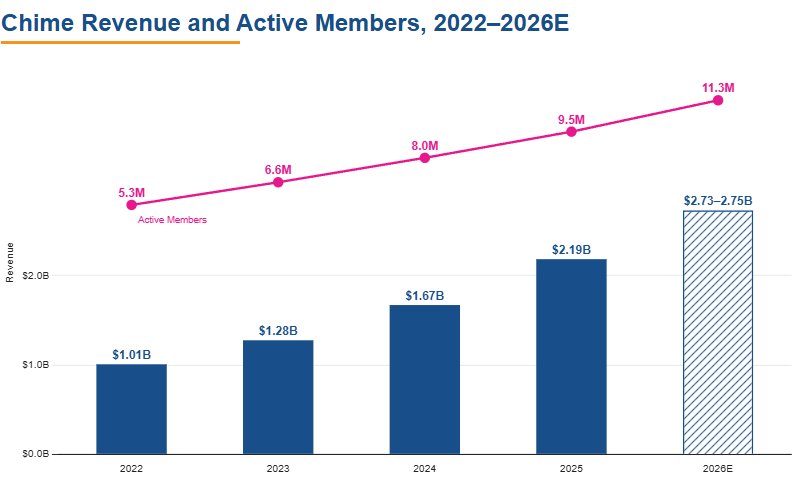
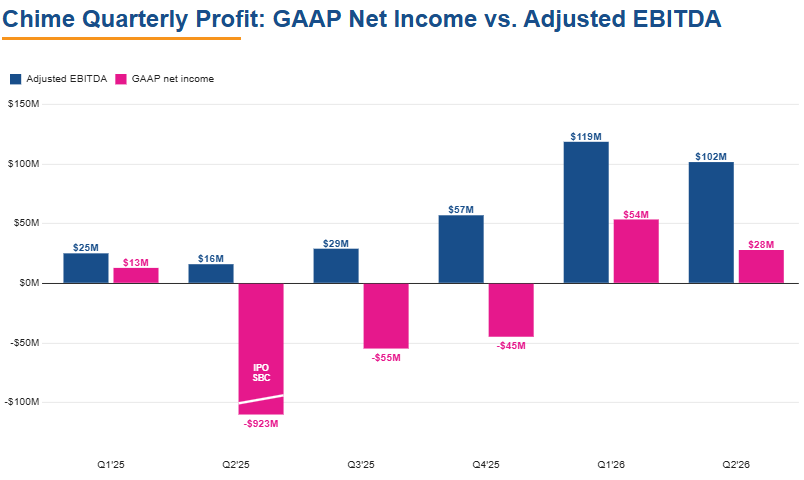
Against full-year guidance of $2.8B, $100MM of synergies is roughly 3.6% of revenue, and $590MM against that annual saving pays back within six years before any growth in the underlying business.
Chime’s framing is that this is the faster route: acquiring Stride gives it full-stack ownership sooner than a de novo charter application would. And the race is on — Revolut has just cleared conditional OCC approval, about six months after filing.
Chime will manage Stride’s balance sheet on closing and hold assets below $10B for the foreseeable future, to qualify for the Durbin Amendment exemption where issuers under that threshold can benefit from debit interchange. Exempt issuers earn in the region of 1.5% of transaction value, while capped issuers are held to roughly 0.05% plus 21 cents per swipe. Interchange is the core component of Chime’s revenue.
Combined assets for Chime and Stride are already around $7B. With 10.4 million Active Members and close to $40B of debit volume a quarter, it puts Chime dangerously close to the $10B in assets mark.
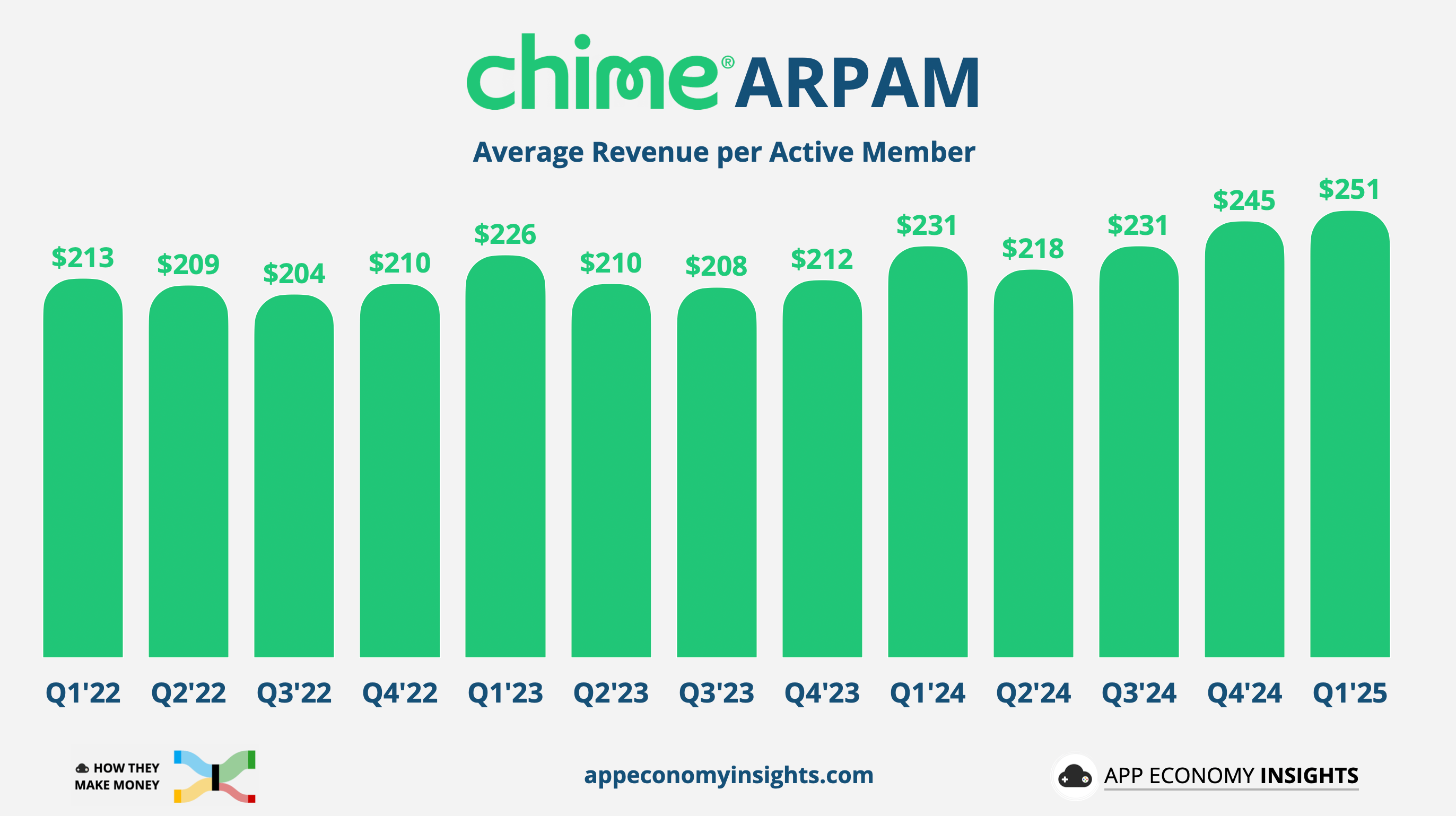
Chime plans to sell loans down and trim the existing book. Selling originations rather than holding them hands the spread economics downstream, which is the opposite of the reason to own a bank. Chime wants something else: money that arrives on payday and leaves within the week, earning interchange without building up as liabilities.
Chime’s fastest-growing segment is members earning $75,000 and above, and it added more members depositing at least $3,000 a month than ever before in Q2. Higher earners hold higher balances. Every upmarket member pushes assets toward the cap.
Buying Stride does not remove the regulatory cap, but it does mean Chime is the one deciding what sits underneath, rather than competing for headroom with a sponsor bank’s other customers.
Key Takeaways
Both deals close in 2027.
Circle’s risks are execution: MAS approval, the 75% key employee retention condition, and whether owning payout rails converts into USDC monetization or simply adds a lower-margin revenue line to a business built on deposit float.
But the main move is to become a Hyperbank and add distribution scale to the rails it has already built.
Chime is the opposite. It can acquire members faster than anyone in America and still have its unit economics set by a threshold on someone else’s balance sheet, so it paid cash to move that decision in-house. By winning in distribution, it was able to buy the factory.
Vertical integration is the season in the land of Fintech.
👑Related Coverage👑


Analysis: Fintech evolved into Hyperbanks and Neobranches
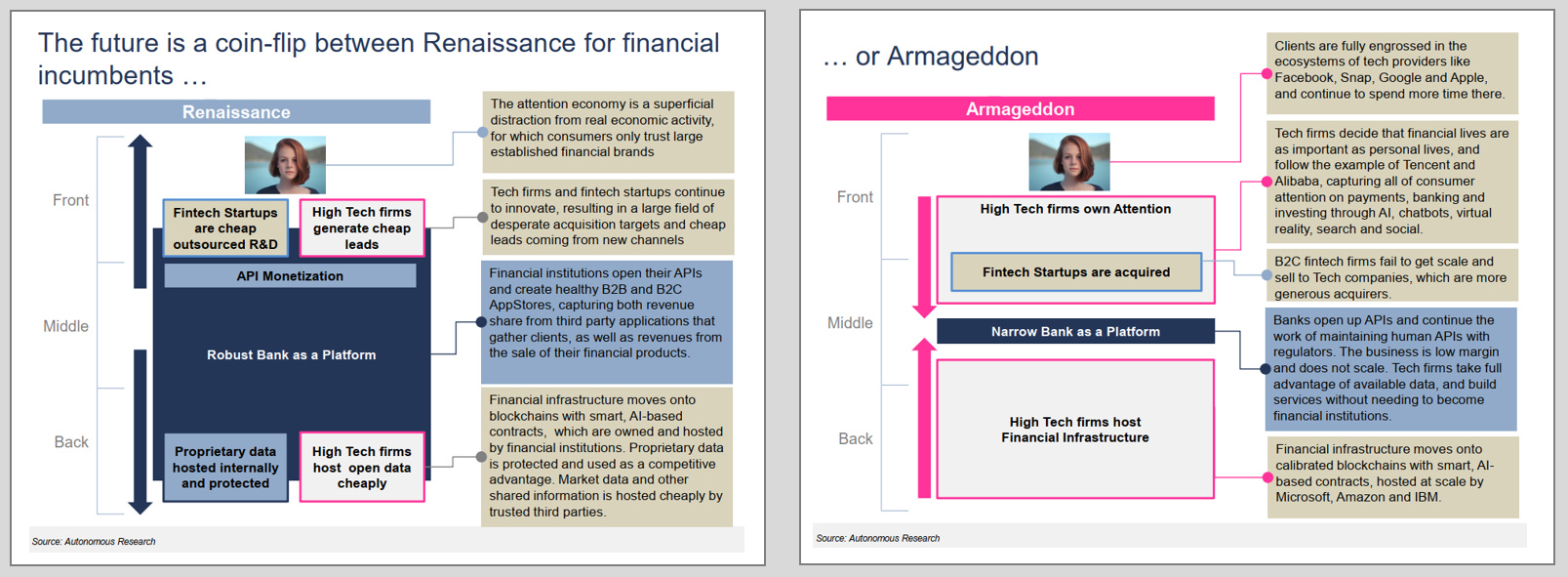
We revisit a 2018 framework for how banks, fintechs, and big tech would converge, and argue that the emerging winner is a new model we call the Hyperbank: a technology company that owns the financial stack down to the regulatory or sovereign root.
Column illustrates the model with just $1.77B in assets but roughly $200MM in revenue, a potential $6B valuation, and customers including Ramp, Brex, Bilt, Mercury, and Wise, while vertically integrating stablecoins, card issuing, global banking, multicurrency accounts, and core infrastructure. We distinguish Hyperbanks from Deep Fintechs, which build difficult-to-copy technologies such as blockchains, zero-knowledge proofs, AI underwriting, and advanced trading infrastructure, and Neobranches, which own digital distribution while renting the underlying financial factory.
Curated Updates
Here are the rest of the updates hitting our radar.
Financial Institutions and Adoption
S&P Global Agrees To Acquire Smart Contract Security Firm OpenZeppelin - TradingView
Deutsche Bank To Debut Bitcoin Custody for Institutional Clients - Bitcoin Magazine
Crypto platform Gemini’s stock is down 80% from its IPO. That’s reviving takeover speculation - Fidelity
DeFi and Digital Assets
SEC opens door for crypto-style trading of U.S. stocks - Axios
Robinhood Chain fees collapse 97% even as transactions stay near record highs - Coindesk
Meme Coin Launchpads Captured 82% of Arc’s First Day Trading Volume - Yahoo Finance
Prediction Markets
Kalshi Takes 92.1% Share as Weekly Contract Volume Hits $14.1B - Readwrite
New prediction markets ETF allocates 15% to Kalshi and Polymarket - Cryptonomist
Blockchain Protocols
Solana speeds up blocks by 17%, but transaction capacity stays the same - CoinDesk
Ethereum, Base give up on common wallet standard after months of talks - CoinDesk
XRP’s Next Big Payments Upgrade Eyes Mainnet Activation - TradingView
NFTs, DAOs and the Metaverse
MetaDAO Launches Onchain Treasury Model for Post-Token-Sale Funding - Kucoin
🚀 Level Up
Join our Premium community and receive all the Fintech and Web3 intelligence you need to level up your career. Get access to Long Takes, archives, and special reports.
Sponsor the Fintech Blueprint and reach over 200,000 professionals.
👉 Reach out here.Check out our AI newsletter, the Future Blueprint, 👉 here.
Read our Disclaimer here — this newsletter does not provide investment advice
Fintech Blueprint 🤖🏦🧭 is a reader-supported publication. To receive new posts and support my work, consider becoming a free or paid subscriber.
Paying up for a bank charter is the tell. Own the license.
https://paretoinvestor.substack.com/p/south-of-the-consensus
Hi! I really enjoy the perspectives you share. I’d love to connect and support each other’s work. I also write and work in the fintech, crypto, blockchain, and broader financial technology space, so I think there could be some great opportunities to exchange ideas and learn from each other. I’d be happy to subscribe to your work and stay connected. Looking forward to connecting!