
GM Fintech Futurists,
Today we highlight the following:
DIGITAL ASSETS: The Neobank Middle-Class Liquidation
ANALYSIS: Can Zero Human Companies Escape Economic Gravity
CURATED UPDATES: Financial Institutions and Adoption; DeFi and Digital Assets; Blockchain Protocols; NFTs, DAOs and the Metaverse
To support this writing and access our full archive of newsletters, analyses, and guides to building in Fintech & DeFi, subscribe below (if you haven’t yet).
Our Ecosystem: AI Venture Fund | AI Research | Lex Linkedin & Twitter | Sponsors
DIGITAL ASSETS: The Neobank Middle-Class Liquidation
Two big neobank acquisitions just happened in February 2026:
Stash —> Grab
Step —> MrBeast
These transactions represent significant revaluations for the second wave of consumer neobanks. Despite reaching significant scale in terms of user count and venture funding, these fintechs failed to achieve the escape velocity required for a Revolut-style IPO.
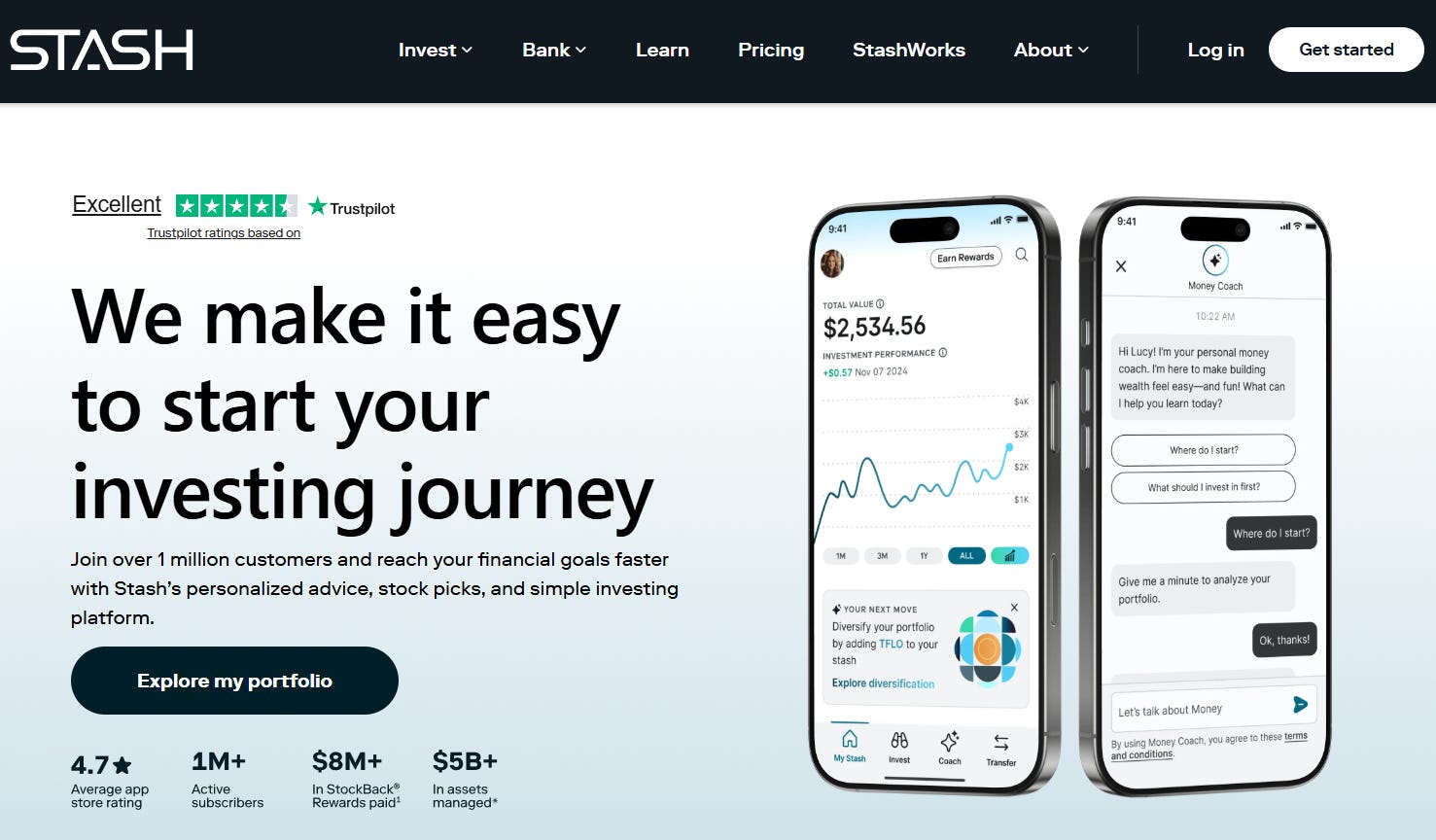
Grab’s acquisition of Stash for $425 million highlights the punishing reality. Stash had raised approximately $747 million, including a 2025 Series H. At a $425 million exit, the transaction is priced significantly below the total capital contributed.
In venture terms, this is an underwater exit. Standard liquidation preferences typically ensure that preferred shareholders (investors) are paid back their initial capital before common shareholders (founders and employees) receive any proceeds. Because the sale price is lower than the total raised, late-stage investors are likely taking a haircut, while common equity is effectively zeroed out except for a retention package.
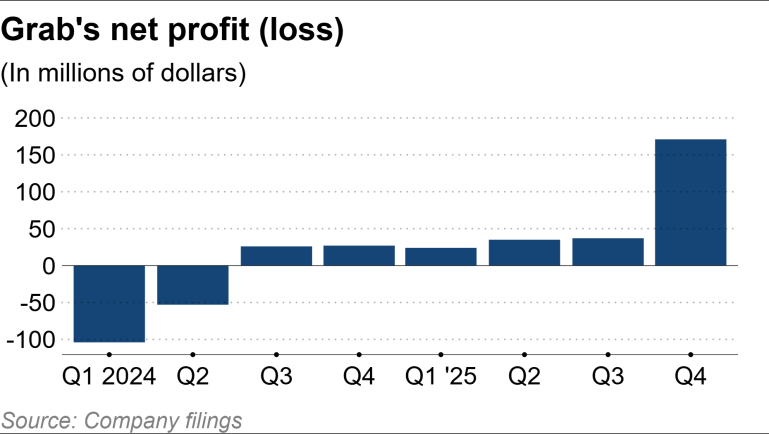
For Grab, the logic is strategic.
Having achieved its first full year of profit in 2025, the Southeast Asian “SuperApp” is using Stash to secure a regulated US foothold and an AI-powered wealth management stack. By acquiring Stash’s 48-state regulatory framework, Grab avoids the cost of building a US financial infrastructure from scratch, as well enabling them to buy $5 billion in Assets Under Management (AUM).
The acquisition of Step by Beast Industries (MrBeast) follows a similar trajectory.
Step, which targeted the teen demographic, reached a valuation of $920 million in 2021 after raising $175 million. Despite amassing over 7 million users, the high Customer Acquisition Cost (CAC) and thin margins of the youth banking sector made a standalone path toward a public listing increasingly hard. Step’s CAC was estimated between $100 and $300 per user — the industry standard for consumer fintech. But for a platform targeting teens with low account balances and high support needs, the LTV was too thin to justify the spend.
Traditional neobanks burn through capital to acquire users via paid social and referral loops. MrBeast, with over 460 million subscribers and 5 billion monthly views, has one of the most powerful distribution engines available.
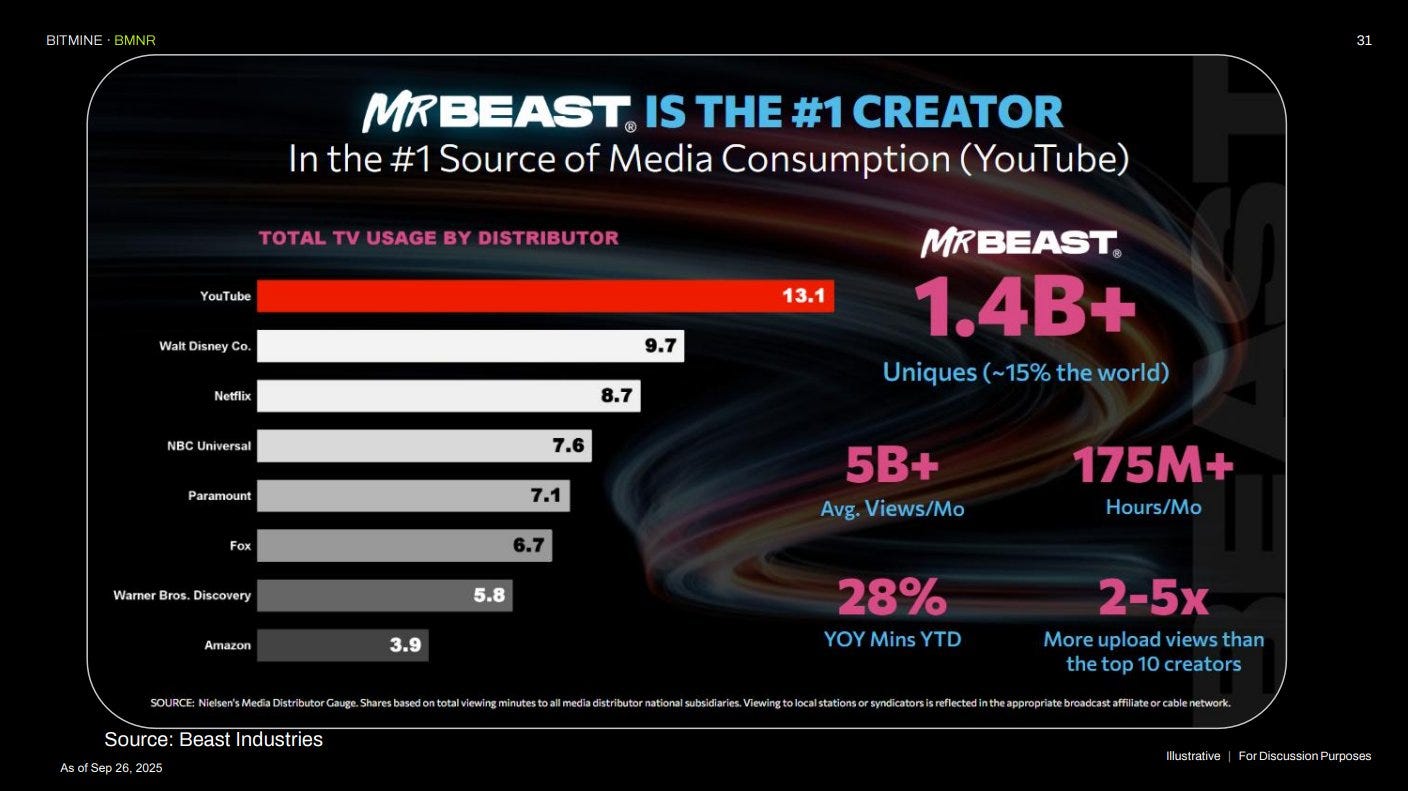
With the acquisition, MrBeast plans to offer 3% on savings, $250 instant loans, up to 10% cashback on spend and a credit-building product.
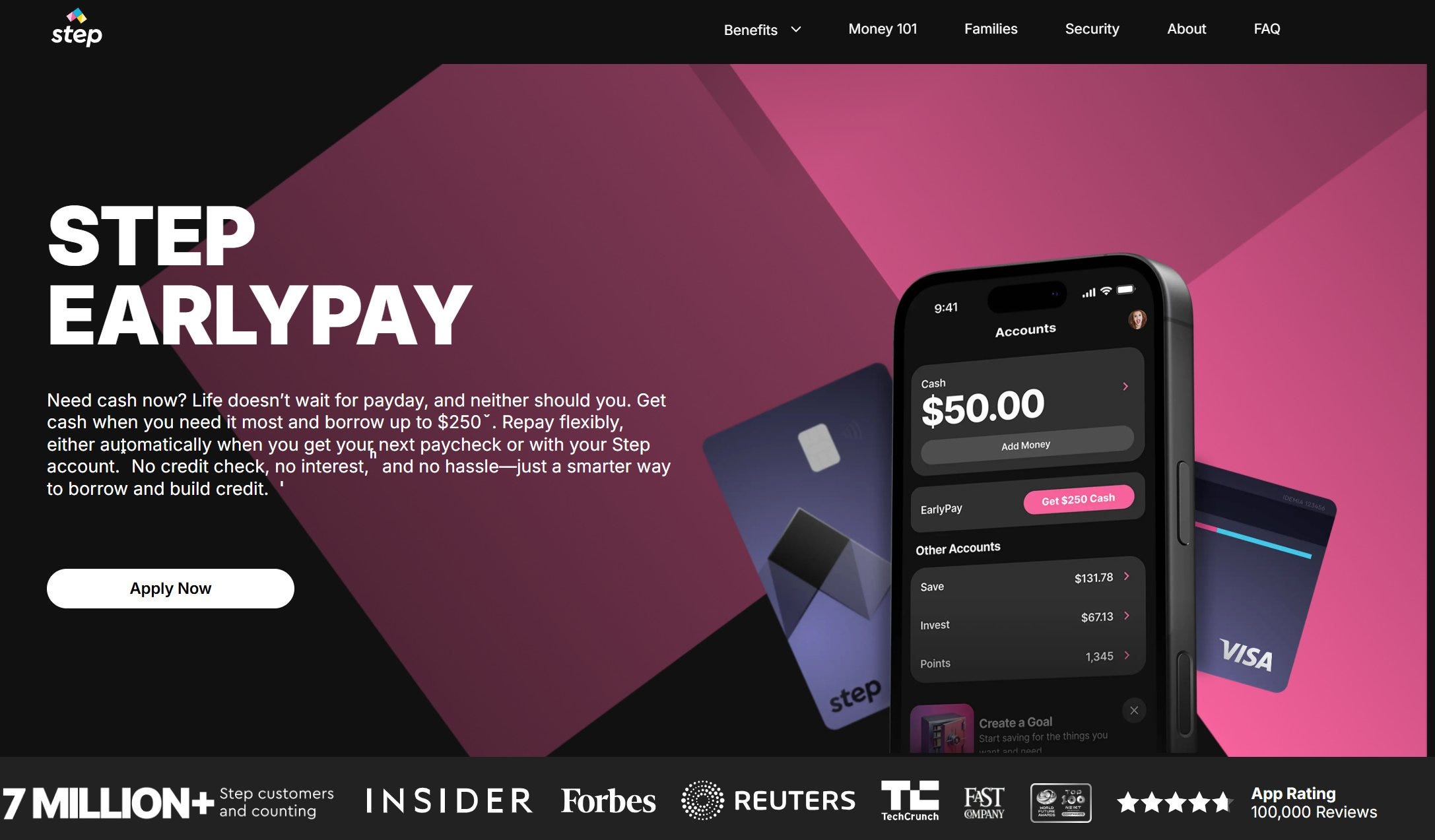
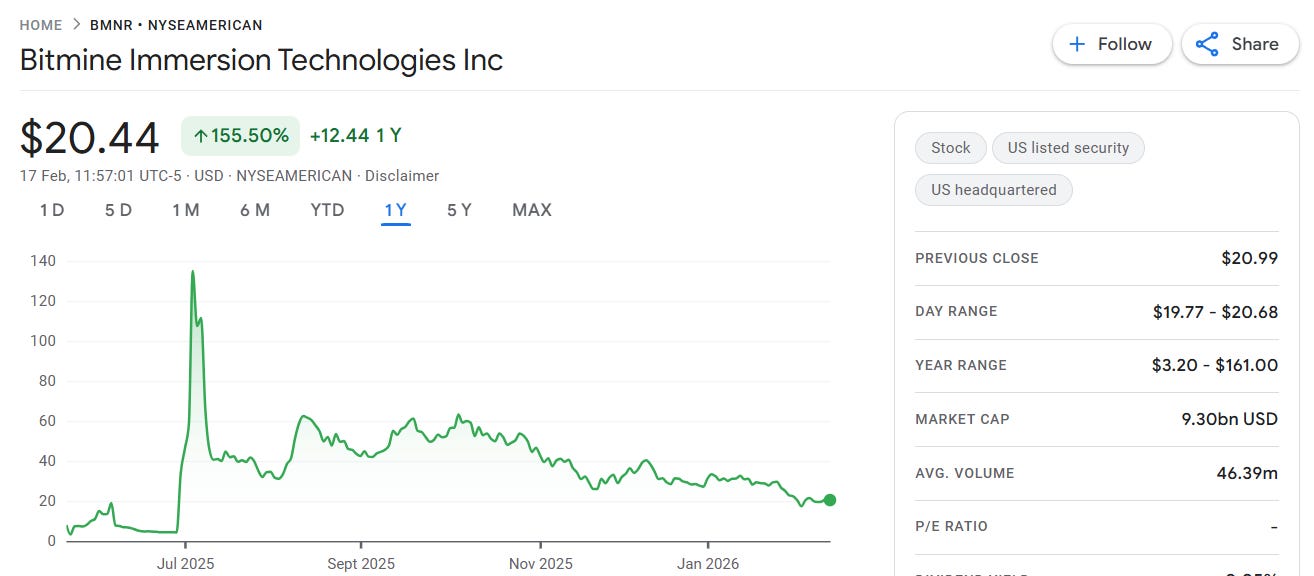
A critical layer of the Step acquisition is the role of BitMine Immersion Technologies, an Ethereum-focused DAT with a $10B+ balance sheet. The deal followed a $200 million investment from BitMine into Beast Industries as part of its moonshot approach to its portfolio.
This move illustrates a broader trend of DAT diversification. Large crypto treasuries are increasingly seeking to hedge against pure-play digital asset volatility by rotating capital into real-world consumer reach and cash-flow-positive infrastructure. By funding the MrBeast acquisition of Step, BitMine is effectively converting ETH-denominated wealth into a consumer financial rail.
The mid-exit era is a recognition that the neobank middle class must either become profitable or risk being acquired at a down valuation.
Without the ability to reach the $10B+ valuations of the global giants, these firms are being re-priced based on their utility to existing ecosystems. Whether it is Grab’s need for US regulatory rails or MrBeast’s looking for a financial product to further monetize his audience, the value of these neobanks has shifted from their potential as future banks to their utility as specialized infrastructure for the dominant platforms of the attention and super-app economies.
👑Related Coverage👑


Analysis: Can Zero Human Companies Escape Economic Gravity
We examine the rise of “Zero Human Companies,” AI-run enterprises that claim to generate revenue autonomously, and question whether they represent genuine economic engines or digital perpetual motion machines. You can grab the PDF analysis here:

Drawing an analogy to centuries of failed over-unity energy devices, we argue that finance, like energy, must ultimately be downstream of real economic production rather than self-referential financial engineering. We profile eight leading experiments, including Brian Roemmele’s 100+ agent Zero-Human Company with its JouleWork energy-backed currency, Andon Labs’ real-world AI vending operator that lost ~$200 in a month, and Clawnch, where 35,000+ AI-launched tokens have generated $100M+ in volume and $1M+ in agent fees. We conclude that a subset of projects may evolve into true AI-native economic actors, if they can plug into genuine sources of human and industrial value rather than trade energy among themselves.
Curated Updates
Here are the rest of the updates hitting our radar.
Financial Institutions and Adoption
Robinhood Launches Public Testnet for Ethereum Layer 2 Blockchain - The Defiant
Crypto trading headed to X as Musk builds ‘everything app’ - DLNews
Russians spending $648 million on crypto every day, says finance ministry - DLNews
DeFi and Digital Assets
Wall Street giant Apollo deepens crypto push with Morpho token deal - CoinDesk
Nexo re-enters the U.S. market three years after exiting due to regulatory issues - CoinDesk
Ethereum’s tokenized RWA market jumps more than 300% year over year as value tops $17 billion - The Block
Blockchain Protocols
Loss-making DeFi lender ZeroLend to shut down after 98% TVL drop - The Block
NFTs, DAOs and the Metaverse
Aave Labs proposes paying DAO all revenue from Aave-branded products - DLNews
Animoca Brands clears major regulatory hurdle with new Dubai license - CoinDesk
Anthony Scaramucci’s son buys Logan Paul’s previously tokenized Pokemon card for record $16 million - The Block
🚀 Level Up
Join our Premium community and receive all the Fintech and Web3 intelligence you need to level up your career. Get access to Long Takes, archives, and special reports.
Sponsor the Fintech Blueprint and reach over 200,000 professionals.
👉 Reach out here.Check out our AI newsletter, the Future Blueprint, 👉 here.
Read our Disclaimer here — this newsletter does not provide investment advice